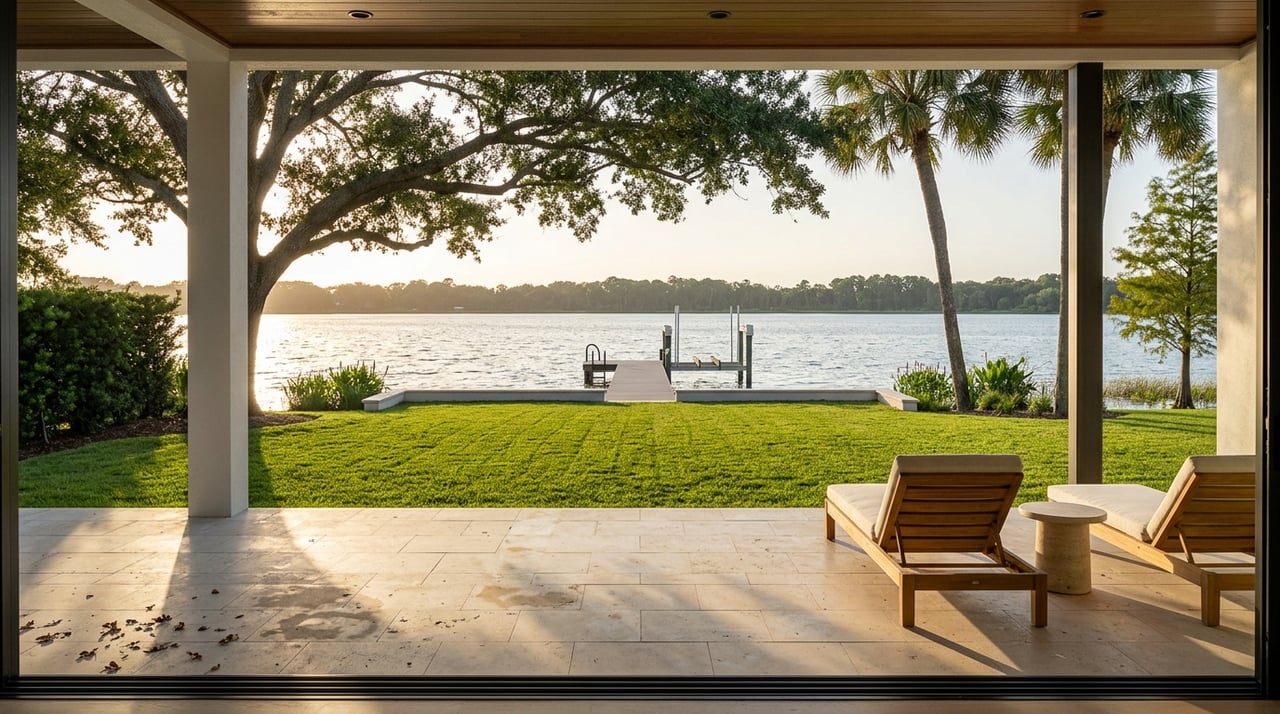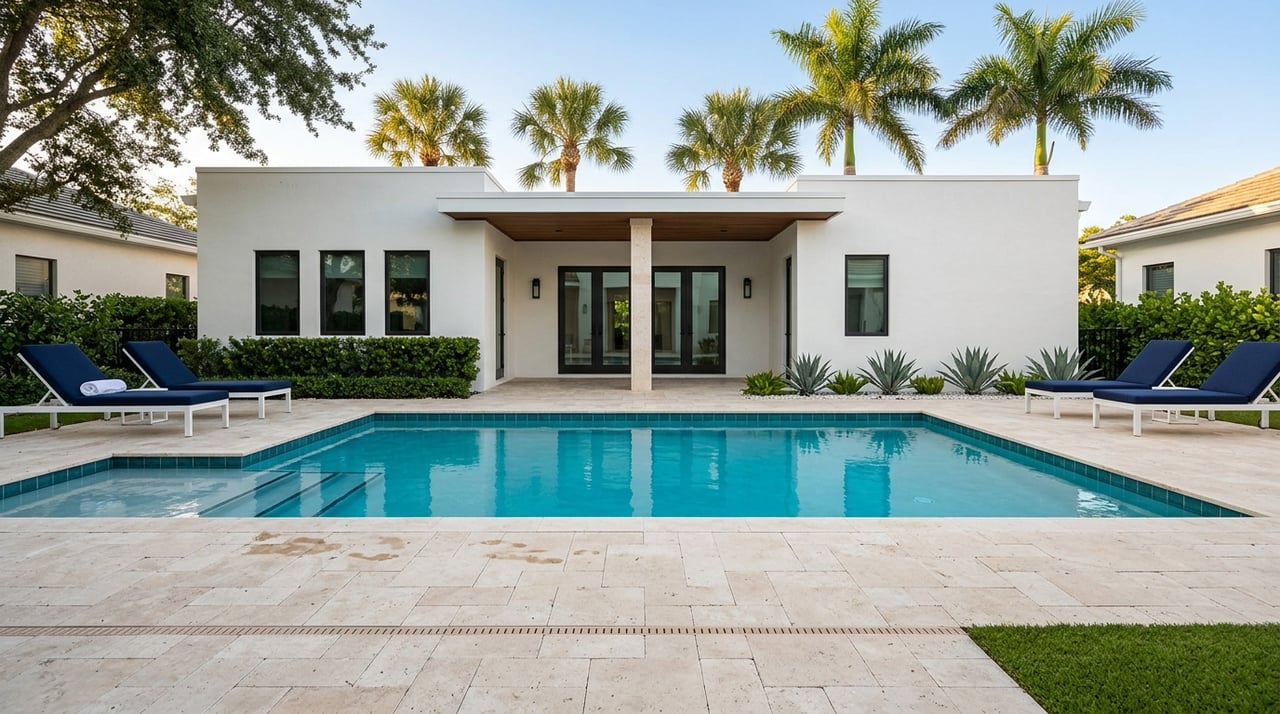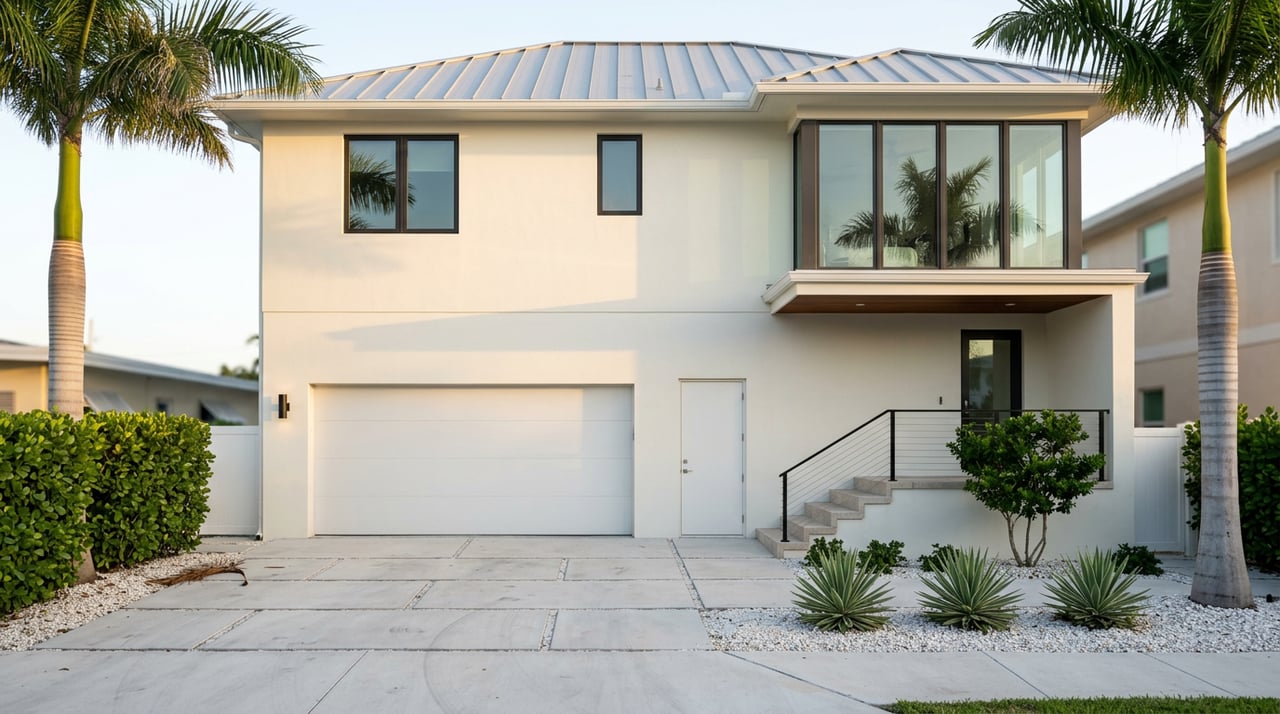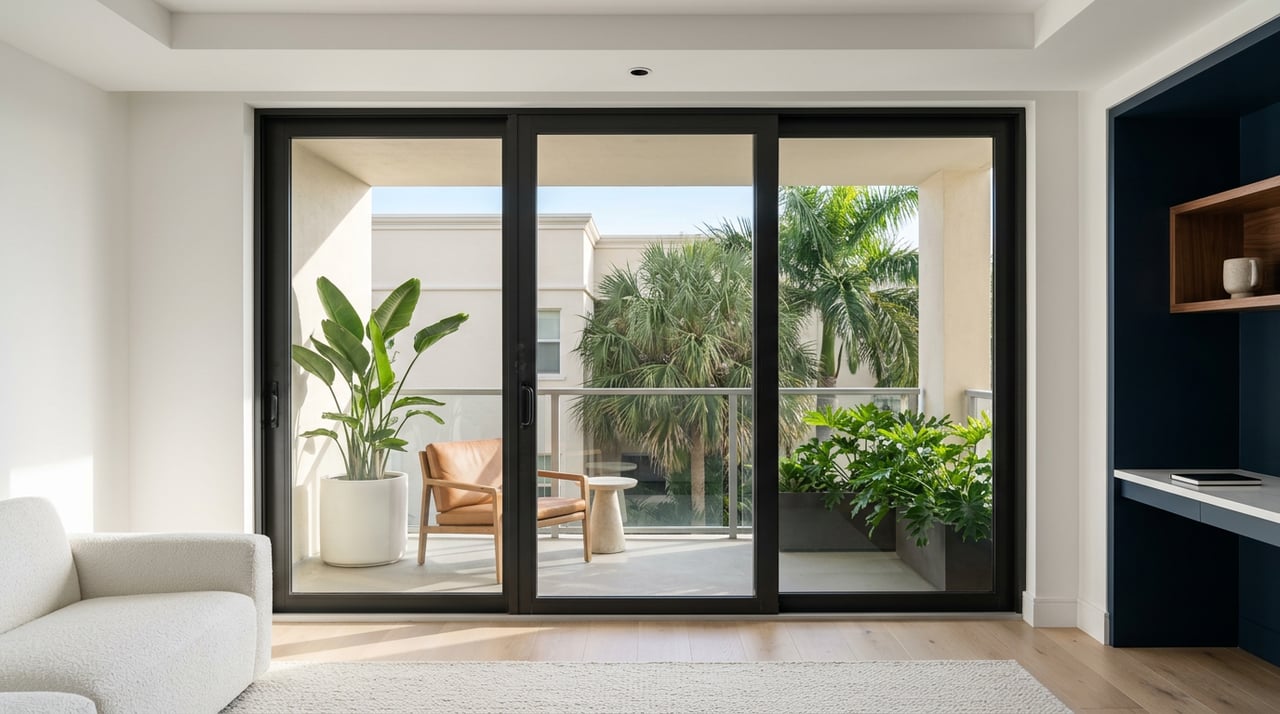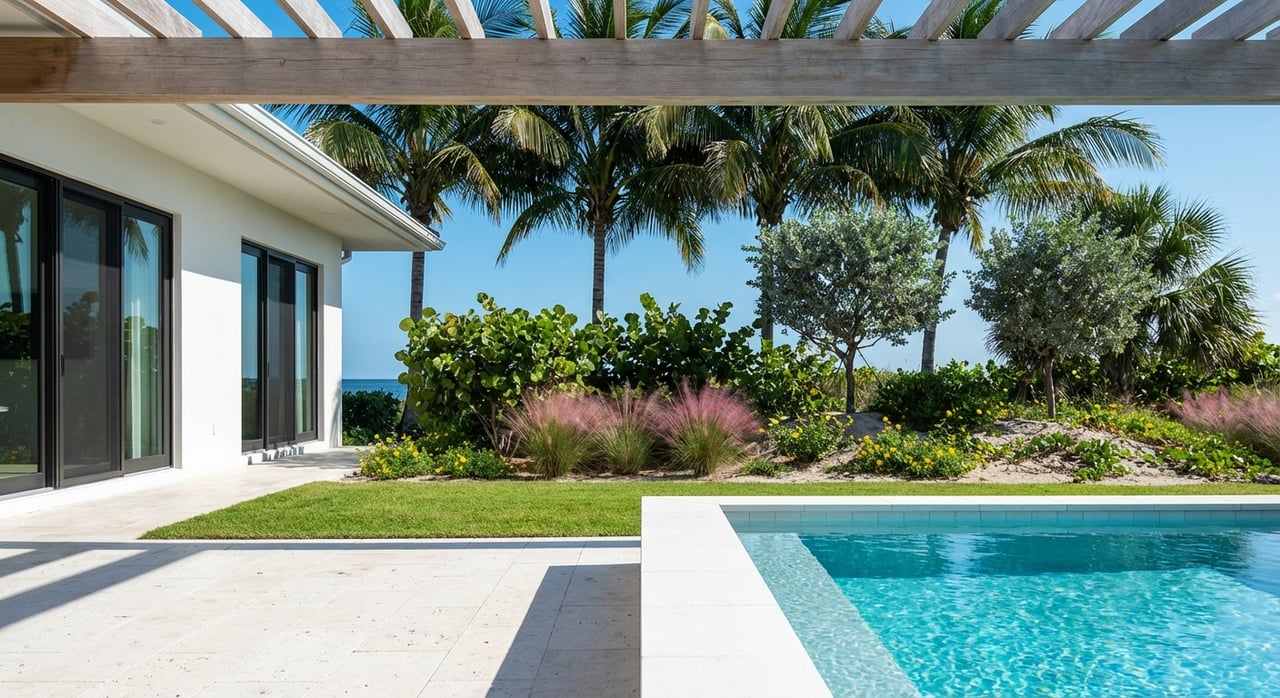
Salt air mornings, walkable beach days, and sunset rituals that stop the block — if that is the life you picture, St. Pete puts you close to it all. You might be weighing a lively downtown condo on Tampa Bay against a quiet Gulf‑side cottage where you can stroll to dinner. This guide gives you a clear picture of both options, plus boating access, seasons, risk and insurance basics, and a practical buyer checklist. Let’s dive in.
St. Pete waterfront at a glance
“St. Pete” can mean two related places. The city of St. Petersburg sits on the Pinellas mainland, facing Tampa Bay and anchored by the 26‑acre Pier District with year‑round programming and dining at the water’s edge. The classic Gulf beaches, including St. Pete Beach and Pass‑a‑Grille, sit on barrier islands just west of the mainland and are reached by causeways. Explore the city’s bayfront energy and attractions at the St. Pete Pier.
If you want beach‑village calm, Pass‑a‑Grille sits at the southern tip of St. Pete Beach with historic cottages, easy beach access, and a strong sunset culture. It is typically about a 20‑minute drive from downtown St. Petersburg, so you can split time between urban waterfront and island life. Get a feel for the village scale and daily rhythm on the Pass‑a‑Grille visitors site.
Where to live by the water
Downtown St. Petersburg
Choose a bayfront condo or a walkable downtown address if you want city energy with water everywhere you look. You are steps from museums, waterfront parks, and the Pier’s restaurants and family attractions. Municipal marina access puts bay cruising on your doorstep. Learn more about the Pier District’s amenities at the official Pier site.
Snell Isle and Shore Acres
These established neighborhoods offer canal and bay views, private docks on select lots, and a quieter residential setting close to downtown. You will find a mix of single‑family homes and some waterside condos that cater to boaters and walkers. Review neighborhood overviews on the city’s economic site for housing types and local context.
St. Pete Beach corridor
Near Corey Avenue and the Don CeSar, the vibe leans resort‑adjacent with a dense restaurant scene, boutique shops, and broad beaches. Expect more seasonal visitors and a steady flow of beachgoers, with the tradeoff of many dining choices within a short stroll. If you love beach walks to dinner and lively evenings, this stretch delivers.
Pass‑a‑Grille
This compact, historic village favors short walks, small cafés, and a nightly sunset routine. Architecture stays low‑rise and the pace feels relaxed compared with the resort corridor. For an old‑Florida feel and strong local identity, it is a standout choice on the Gulf side. Start with an orientation on Visit Pass‑a‑Grille.
Day‑to‑day waterfront life
On the islands, your day often looks like this: beach in the morning, a mid‑day break for a café lunch, and a sunset meet‑up on foot. Pass‑a‑Grille is known for simple traditions like sunset gatherings and ringing the bell at local beach bars to mark the end of the day. The resort corridor near Corey Avenue adds more shops and late‑night options for variety.
For daily services, the downtown and Pinellas mainland offer full‑service grocery, medical, and specialty retail. Some barrier‑island blocks have small markets and restaurants but fewer big‑box services. If you plan to live on the islands, it is smart to check proximity to a supermarket, urgent care, and schools that fit your needs. The city’s lifestyle page outlines neighborhood and housing options.
Culture is a year‑round part of bayfront living. The Pier and nearby waterfront parks host regular events, public art, and family activities that keep the shoreline active beyond the beach day. The islands answer with fishing piers, open‑air markets, and easy sunset spots.
Boater’s checklist
Gulf‑side action
Small‑boat anglers, day charters, and island shuttles are part of daily life on the Gulf. At Pass‑a‑Grille’s Merry Pier, you can book local charters or hop a shuttle to Shell Key for snorkeling, shelling, or dolphin‑watching. See current offerings and the local pier scene at Merry Pier.
Bay‑side cruising
Downtown and nearby neighborhoods connect you to marinas suited for larger vessels and protected bay cruising. If you want a slip within a quick walk of restaurants and museums, the bayfront setup is ideal. Check the Pier District for a feel of the waterfront environment and access.
Dockage and slip realities
Dockage can be limited and is often tied to a condo association or private marina. If a boat is essential, verify slip availability early, maximum boat length, any wait‑lists, and whether a condo slip conveys with the unit or is rented. For single‑family waterfront, review the seawall and shoreline condition as part of your due diligence.
What it costs and what to know
Waterfront property typically commands a premium over non‑waterfront homes, and pricing shifts with season and inventory. Use broad city or county medians only as orientation, then rely on live, property‑specific analysis to understand today’s market. A custom valuation and on‑the‑ground search will surface both listed and pre‑market options.
Flood and storm readiness should be part of every waterfront decision. Use FEMA’s Flood Map Service Center to identify the specific flood zone for any address and to locate available elevation certificates. Many barrier‑island parcels sit in higher risk coastal zones, which can mean required flood insurance for mortgaged buyers and higher premiums. Start with the FEMA Flood Map Service Center.
FEMA’s Risk Rating 2.0 changed how the National Flood Insurance Program prices coverage by using property‑level risk factors. Some coastal properties saw premium increases, while others changed less. Get address‑specific flood and homeowners quotes early. Learn the basics of Risk Rating 2.0 on FEMA’s overview page.
Florida’s coastal building codes and FEMA guidance inform elevation, wind resistance, and foundation requirements. Ask whether the home has an elevation certificate and whether recent structural upgrades, such as a rebuilt seawall, elevated lowest floor, and hurricane‑rated openings, were permitted. For context on resilient construction practices, review this FEMA Mitigation Assessment Team report.
Short‑term rentals are common in many beach neighborhoods, which can add energy in peak season and potential income for owners. Rules vary by city and association, so verify local ordinances and condo HOA policies before modeling revenue. A quick primer on local rules is available in this rental regulations overview.
Seasons and signature events
Winter is peak visitor season, roughly November through April, with mild weather, busier restaurants, and fuller calendars. Summer brings heat, humidity, afternoon storms, and the official Atlantic and Gulf hurricane season from June 1 through November 30. Track storm guidance and seasonal timing at the National Hurricane Center.
On the bayfront, the Mainsail Art Festival at Vinoy Park is a major spring event that blends waterfront views with juried art and live music. Island communities add summer concerts and themed evenings that highlight the laid‑back beach culture. Confirm dates each year on the Mainsail Art Festival site.
Before you move: quick checklist
- Check your property’s FEMA flood zone and look for an elevation certificate where available. Start with the Flood Map Service Center.
- Get early, address‑specific quotes for flood and homeowners insurance. Review FEMA’s Risk Rating 2.0 to understand pricing mechanics.
- Confirm dock or slip availability, maximum boat length, any wait‑lists, and whether a slip conveys with a condo unit.
- Time a visit in both high season and off‑season to compare traffic, restaurant hours, and beach crowding. Use Visit Pass‑a‑Grille to shape an island day.
- Review permit history and upgrades for seawalls, elevation work, and hurricane‑rated openings. For resilience context, see this FEMA assessment report.
Ready to make the water your everyday backdrop?
Whether you prefer a downtown bayfront condo or a calm Gulf‑side cottage, the right strategy pairs lifestyle fit with disciplined due diligence. If you want pre‑market access, sharp valuation, and discreet execution, connect with The Marino Group & TMG Real Estate, LLC. Buy Bold | Sell Smart.
FAQs
What is the difference between downtown St. Petersburg and St. Pete Beach for waterfront living?
- Downtown puts you near museums, parks, and the Pier on Tampa Bay, while St. Pete Beach and Pass‑a‑Grille offer Gulf‑side village life with walkable beaches and sunset traditions. Explore the Pier District or get a feel for Pass‑a‑Grille to compare.
How long is the drive from downtown St. Petersburg to Pass‑a‑Grille?
- It is typically about 20 minutes by car, depending on traffic, which makes it easy to split time between city energy and island calm. See the village overview on Visit Pass‑a‑Grille.
How do I check a property’s flood zone in Pinellas County?
- Use FEMA’s Flood Map Service Center to search the address, view the current FIRM panel, and download available documents. Start here: FEMA Flood Map Service Center.
What is FEMA Risk Rating 2.0 and how could it affect my flood insurance premium?
- Risk Rating 2.0 prices NFIP policies using property‑level factors, which can raise or lower premiums compared with the old zone‑only method. Read the overview on FEMA’s site.
What boating options are close if I live in Pass‑a‑Grille?
- Merry Pier offers fishing charters and a shuttle to Shell Key for quick island trips, snorkeling, and dolphin‑watching. Check current details at Merry Pier.
When is hurricane season in the St. Pete area?
- The official Atlantic and Gulf hurricane season runs June 1 through November 30 each year. Get updates from the National Hurricane Center.