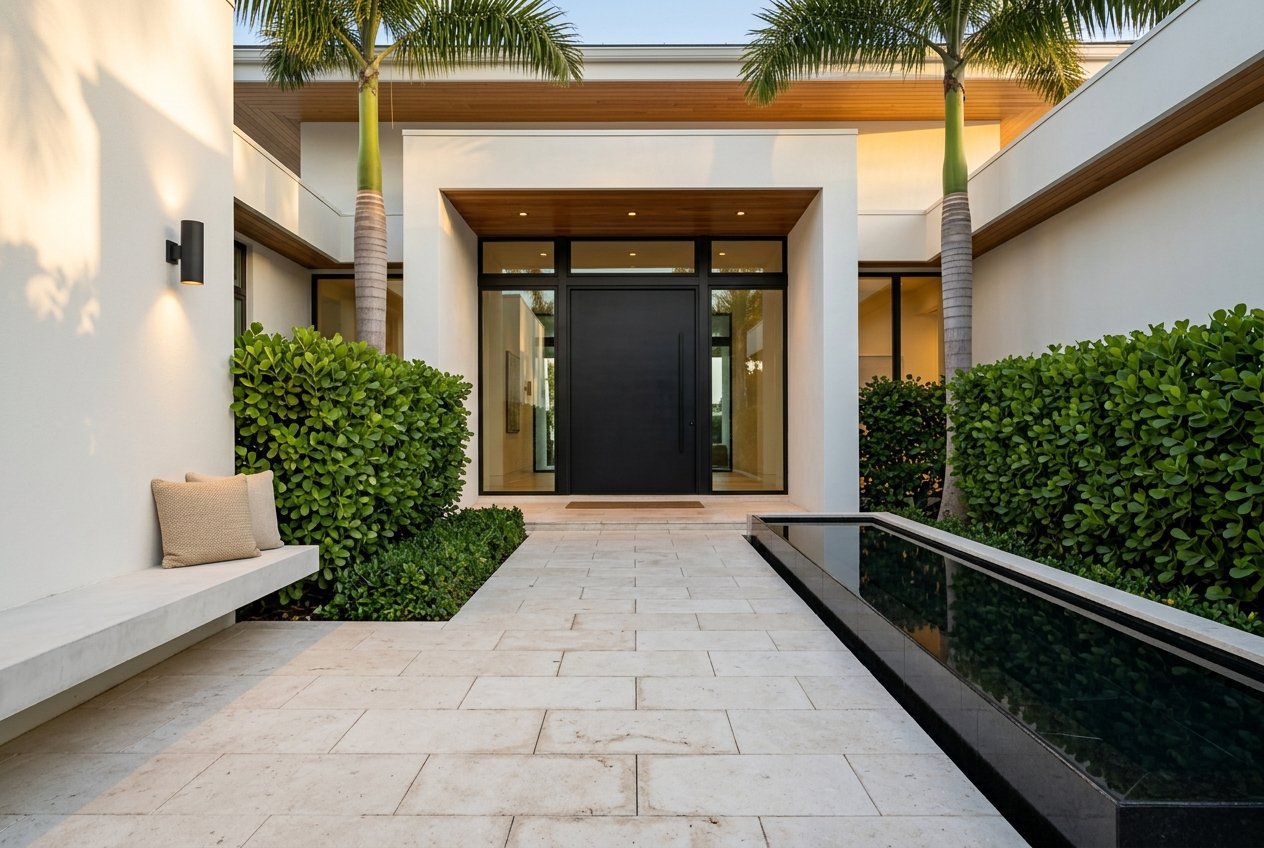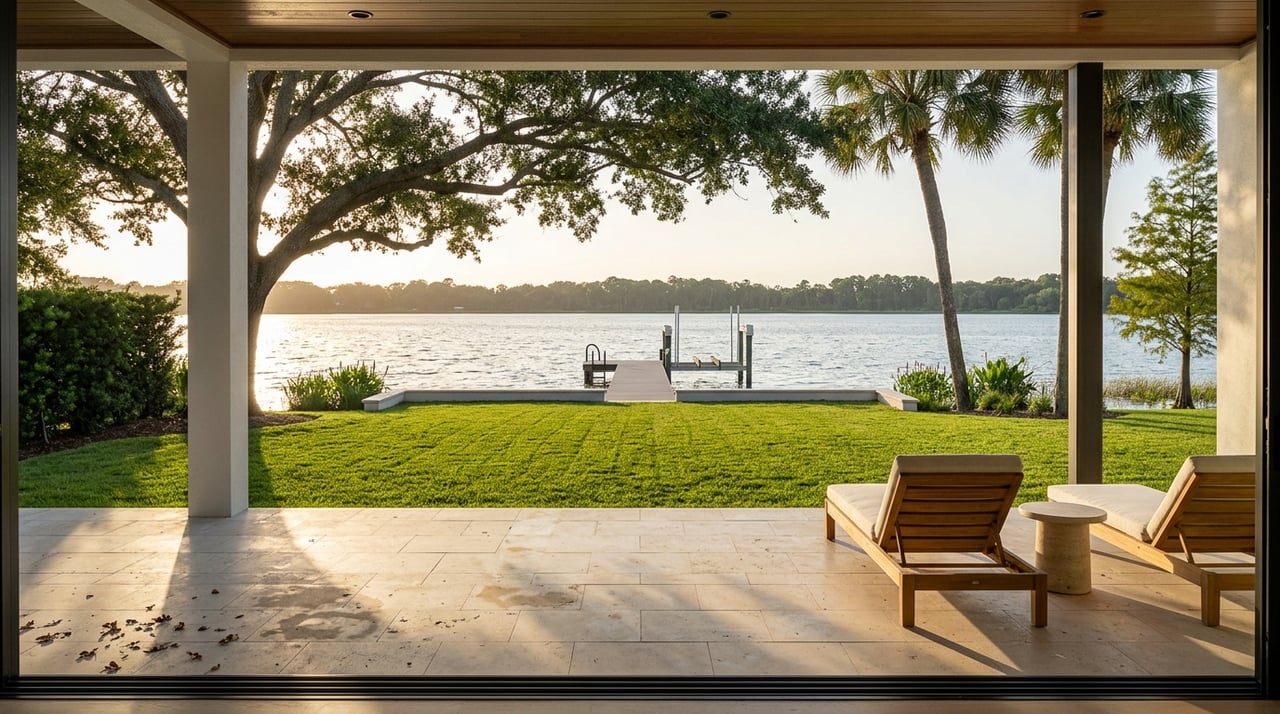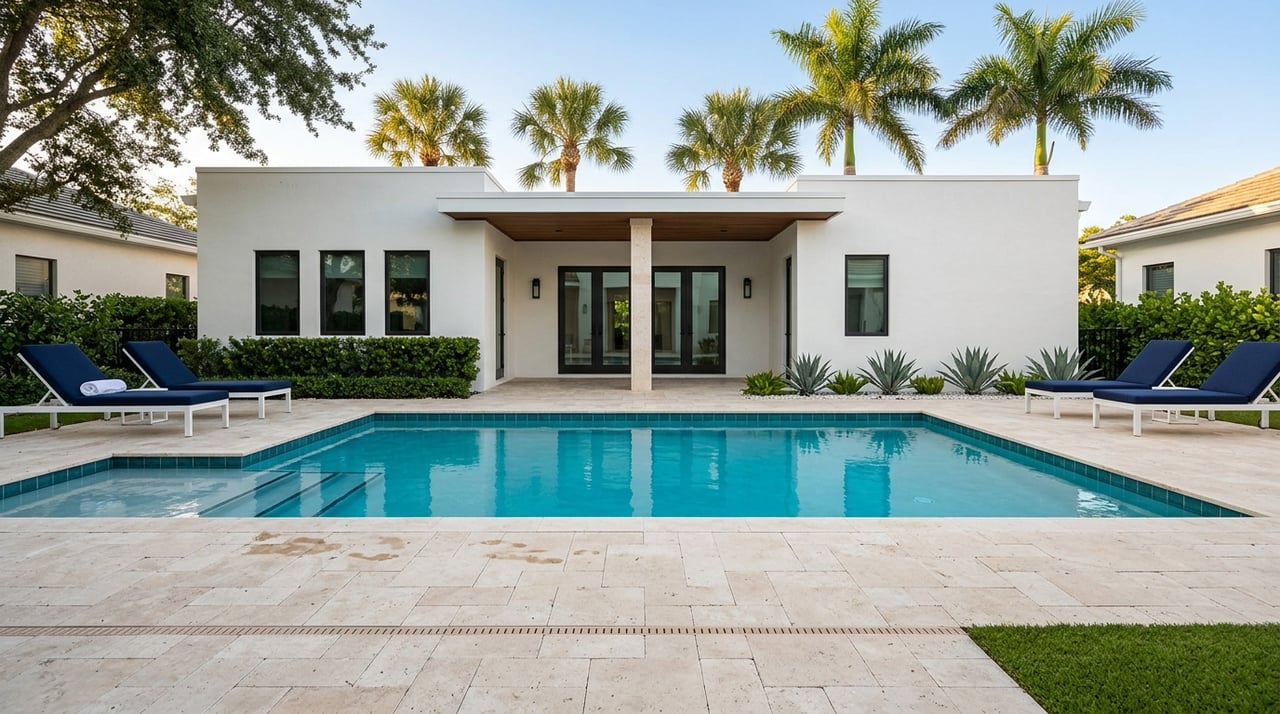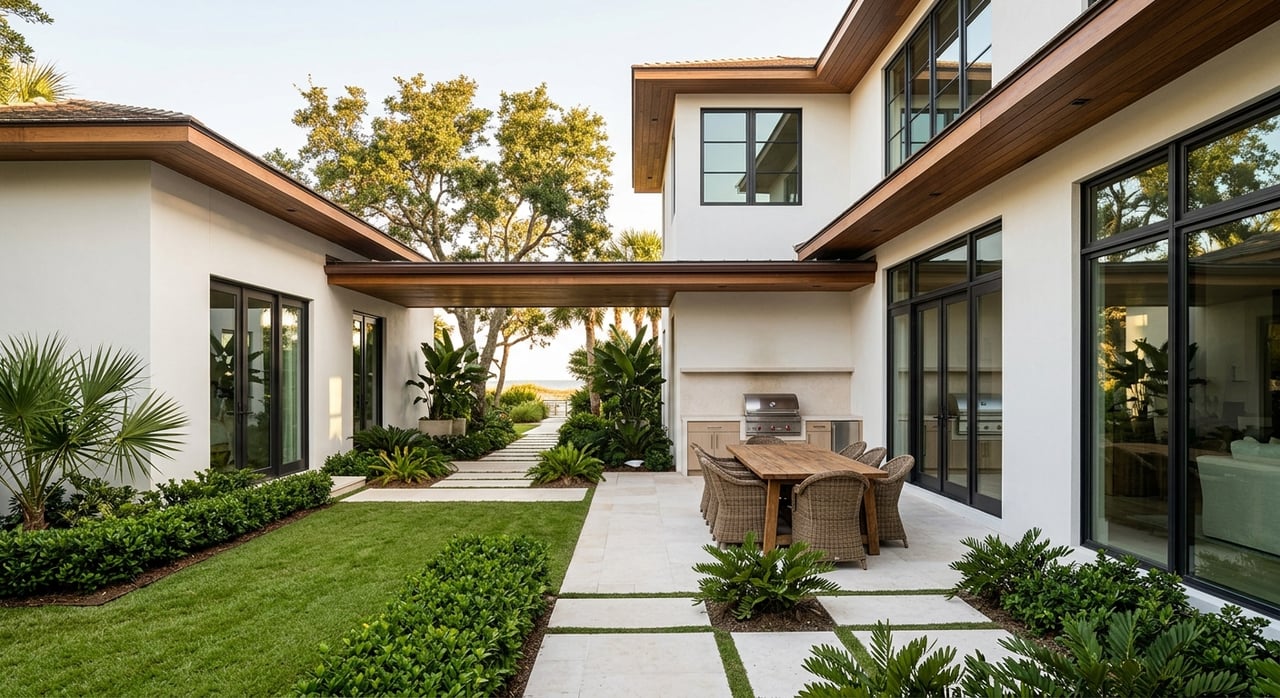
If you are planning a home that works for parents, adult children, guests, and your own long-term future, one question matters more than square footage: will the property still function well five or ten years from now? In Lutz, that question is especially relevant because you are often balancing privacy, mobility, outdoor living, and local site rules all at once. A smart multi-generation estate plan is not just about building bigger. It is about creating a property that lives well now and adapts well later. Let’s dive in.
Why Lutz fits multi-generation living
Lutz offers a useful setting for multi-generational planning because it combines a largely owner-occupied housing base with a lower-density suburban feel. Census QuickFacts reports 23,707 residents in 2020, with 78.5% owner-occupied housing in the 2020-2024 profile and 18.1% of residents age 65 or older. That points to a market where long-term occupancy and future planning are practical, not theoretical.
Just as important, Hillsborough County treats Lutz as a community plan area and continues to invest in local infrastructure. County capital work in the area includes roadway widening, sidewalk and ADA improvements, intersection updates, and drainage projects. For you, that means location strategy should include how the property may function over time, not just how it looks on day one.
Start with the site, not the floor plan
A multi-generation estate lifestyle begins with parcel selection. Before you think about guest suites, outdoor kitchens, or detached living space, you need to understand what the lot can legally and practically support. In Lutz, Hillsborough County planning tools make zoning, flood exposure, and future land use essential early checks.
This matters because a beautiful lot can still create daily friction if access, drainage, or long-term usability are poor. County work in the area includes a drainage project aimed at repetitive roadway flooding, which makes ingress and egress a real consideration. If you expect multiple generations to share one property, dependable access and usable outdoor space deserve the same attention as bedroom count.
Key parcel-screening priorities
When you evaluate land or an existing estate property in Lutz, focus on these basics first:
- Zoning compatibility for the layout you want
- Flood-zone review before design decisions are made
- Future land use context around the parcel
- Ingress and egress for everyday convenience and emergencies
- Drainage conditions that affect roads, yards, and outdoor living areas
- Lot configuration that supports privacy between households
This is where disciplined property analysis can save you time, redesign costs, and future frustration.
Understand the ADU rules before you design
One of the biggest mistakes in multi-generational planning is assuming any detached structure can function as guest or family living space. In Hillsborough County, that is not how the rules work. The county defines an accessory dwelling unit, or ADU, as a second dwelling unit attached to or detached from an owner-occupied single-family detached home.
That distinction matters because the code focuses on the physical characteristics and legal status of the structure, not your family relationship. In other words, a detached building does not become lawful living space just because you plan to use it for relatives or guests.
What Hillsborough County allows for ADUs
Where accessory dwellings are allowed on a parcel, county standards summarized in Municode include:
- Only one ADU per lot
- The lot must be a conforming residential lot
- ADU living space is capped at 900 square feet
- Detached ADUs must meet accessory-structure setbacks rather than principal-structure setbacks
The code also states that ordinary accessory structures are not to be used for living or sleeping, including guest visits. That means a shed, cabana, or storage building cannot simply double as a guest suite.
Build a true dwelling-plus-support-space plan
In Lutz, the strongest multi-generation estate concept is usually not a loose collection of outbuildings. It is a coordinated plan where the main home, any permitted ADU, and the outdoor spaces all have clear roles. That approach aligns better with county standards and tends to create a more functional day-to-day living pattern.
Think in terms of connected independence. You want spaces that allow family members to live together without living on top of each other. The goal is privacy where it matters and shared space where it adds value.
Smart layout ideas for extended family living
A practical layout often includes:
- Separate sleeping zones for different generations
- An accessible primary suite in the main home
- A flexible room that can shift from office to caregiver space
- Shared kitchen and gathering areas designed for daily use
- Outdoor seating and circulation that feel welcoming and easy to navigate
This kind of planning works especially well when you view the estate as a long-term lifestyle asset rather than a short-term floor plan exercise.
Design for aging in place from day one
A multi-generation property works best when it supports mobility over time. Aging-in-place guidance from Fannie Mae recommends features such as no-step or ramped entries, wider doorways, clear and well-lit walkways, bathroom grab bars, raised toilets, walk-in showers, lower countertops, pull-out drawers, and a downstairs bedroom if needed. These are not niche upgrades. They are practical design choices that can make the home safer and easier to use for many kinds of households.
Fannie Mae’s 2024 research also found that many homeowners age 60 and older expect to stay in place, with homeownership among that group near 80%. That helps explain why future-proofing is valuable well before advanced age becomes a daily issue. If you are designing for parents, planning your own long-term use, or simply building a more flexible estate, these choices can protect both comfort and utility.
Features that improve long-term livability
If your goal is a property that can evolve with your family, prioritize features like these:
- Step-free or ramped entry points
- Wider doors for wheelchairs or walkers
- Well-lit paths from driveway to entrances
- Walk-in showers and accessible bathrooms
- Bedroom space on the main level
- Lower counters or adaptable work surfaces
- Pull-out drawers for easier kitchen access
- Exterior and garage lighting for visibility
- Raised garden beds for easier outdoor use
AARP’s 2024 Smart Guide also encourages homeowners to consider smart-home technology and contractors trained in aging-in-place modifications. That can help you combine comfort, convenience, and safety in a more seamless way.
Balance privacy and connection outdoors
Outdoor design plays a major role in a multi-generation estate lifestyle, especially in a place like Lutz where lower-density living gives you more room to shape the property. The outdoor areas should do more than look polished. They should support everyday family routines, safe movement, and flexible gathering.
That usually means creating spaces with clear purpose. A shaded sitting area near the main home, an easy path between structures, good lighting, and level transitions can make a major difference in how the estate feels and functions.
Outdoor planning priorities
As you shape the exterior, keep these points in mind:
- Preserve clear walkways between home, parking, and gathering spaces
- Favor good lighting along paths and entrances
- Plan for simple transitions instead of steps where possible
- Consider how drainage affects lawn and patio usability
- Create shared spaces that feel comfortable for everyday use, not just special events
This is where thoughtful site planning turns a large property into a livable one.
Why execution matters in Lutz
In a market like Lutz, multi-generation estate planning is not just about finding a larger home. It often involves matching the right parcel, the right legal framework, and the right design path. Zoning, flood review, future land use, access, and the rules around ADUs all shape what is realistically possible.
That is why the process should be strategic from the start. Whether you are buying with a vision for a long-term family compound or evaluating an existing estate for better multi-generational use, clear due diligence matters. The right property can support privacy, flexibility, and long-term livability. The wrong one can create expensive limits.
If you are thinking about designing a multi-generation estate lifestyle in Lutz, the opportunity is real, but so is the need for careful planning. A disciplined, property-first approach helps you protect value while creating a home that serves your family well for years to come. To explore estate opportunities with strategic guidance and discreet execution, connect with The Marino Group & TMG Real Estate, LLC.
FAQs
What makes Lutz a practical place for a multi-generation estate?
- Lutz has a largely owner-occupied housing profile, lower-density suburban character, and ongoing county infrastructure improvements, all of which support long-term planning and parcel-based decision-making.
Can a detached structure in Lutz be used as a guest house for sleeping?
- Only if it qualifies as a permitted accessory dwelling unit under Hillsborough County rules. Ordinary accessory structures cannot be used for living or sleeping, including guest visits.
How large can an ADU be in Hillsborough County?
- Where accessory dwellings are allowed, county standards summarized in Municode cap ADU living space at 900 square feet.
What should buyers check before designing a multi-generation property in Lutz?
- You should review zoning, flood exposure, future land use, access points, drainage conditions, and whether the parcel can legally support the layout you want.
What aging-in-place features work best in a multi-generation estate?
- Strong priorities include step-free entry, wider doorways, clear lighting, accessible bathrooms, walk-in showers, and a bedroom on the main level if needed.
Why is outdoor planning important for multi-generation living in Lutz?
- Outdoor areas affect daily mobility, shared family use, and long-term comfort, especially when drainage, walkway design, and safe access between structures are part of the plan.