You do not buy a character home in Tarpon Springs for cookie-cutter convenience. You buy one for the feeling you get when a deep front porch, a distinctive roofline, or a streetscape near Spring Bayou makes the home feel tied to the city’s past. If you are considering an older home here, it helps to understand what creates that character, what ownership may involve, and how to plan smart updates without losing what makes the property special. Let’s dive in.
What gives Tarpon Springs homes character
Tarpon Springs is a historic small city incorporated in 1887, and its identity is shaped by Greek culture alongside Victorian and Floridian architecture. The city’s historic-preservation inventory includes a National Register downtown district, the Greektown Traditional Cultural Property District, and a local historic district that includes downtown.
That matters because “character home” in Tarpon Springs does not point to just one look. In many cases, the appeal comes from older building stock, established neighborhood context, and architectural details that feel rooted in place.
Architectural styles you may see
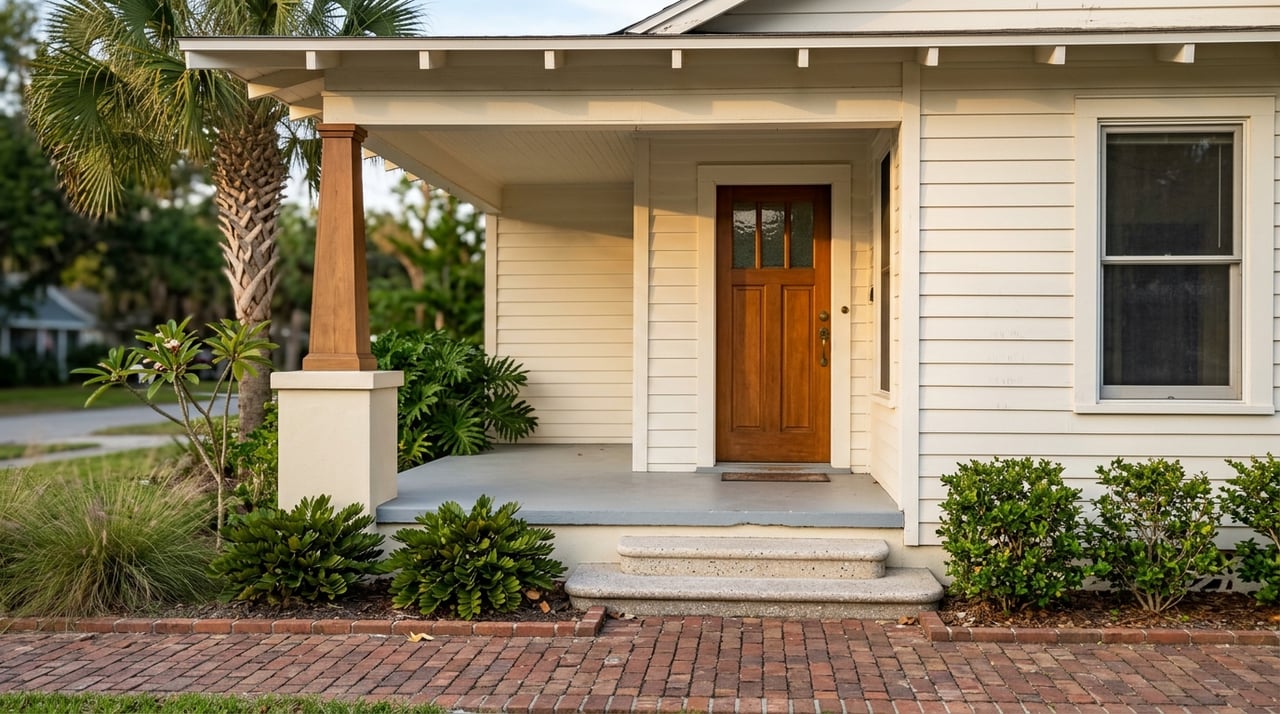
Within the historic district, prominent styles include Queen Anne, Colonial Revival, Bungalow, Mediterranean Revival, and Shingle Style. You will also find many wood-frame vernacular residences that may look simpler at first glance but still carry a strong historic presence.
In practical terms, character often shows up in the basics of the structure. Think porch depth, masonry piers, gable or hip roofs, siding, and asymmetrical massing rather than just ornate trim.
Why simple homes can still feel special
Not every historic home in Tarpon Springs is highly decorative. Some of the city’s appeal comes from the way modest homes sit within streets lined with older architecture, mature lots, and long-standing cultural landmarks.
Around Spring Bayou, Queen Anne and Shingle Style homes help give the area its Victorian-era flavor. Across the city, the mix of Greek cultural influence and historic Florida building traditions creates a setting that feels distinctive even when a home is simple in form.
Why location shapes the experience
In Tarpon Springs, the lifestyle around the home is often part of the value. A property near downtown, Greektown, the Sponge Docks, or Spring Bayou may offer a stronger sense of place because these areas reflect the city’s working waterfront history and cultural continuity.
For buyers, that means it is worth evaluating not just the house itself, but also the rhythm and setting around it. In a historic market, context can be just as important as square footage.
Greektown and the Sponge Docks
Tarpon Arts describes the Sponge Docks as the heart of Greektown and one of Florida’s few working waterfronts. Visitors can still watch sponge fishermen unloading and processing the harvest, which gives this part of the city an active, lived-in identity rather than a purely preserved one.
The Walk Tarpon Springs Audio Tour also notes that the Greektown Historic District was listed in 2014 as Florida’s first official Traditional Cultural Property. That designation reflects the district’s continuity of traditional Greek culture and sponge-industry heritage.
Spring Bayou and historic ambiance
Spring Bayou is another major part of Tarpon Springs’ sense of place. Craig Park includes a scenic walkway around the bayou and hosts the largest Epiphany celebration in North America.
The Heritage Museum at Craig Park adds useful context for buyers because wealthy northerners once built winter homes along Spring Bayou’s “Golden Crescent.” That helps explain why some homes in this area carry a historic resort feel that is hard to replicate in newer neighborhoods.
What to expect from ownership
Owning an older home in coastal Florida can be rewarding, but it usually requires a more active maintenance mindset. A character home often gives you design details and location context that newer construction cannot match, but it may also come with more upkeep.
If you want the charm without surprises, your due diligence should be more detailed from the start. That is where a disciplined buying strategy matters.
Maintenance is part of the package
UF/IFAS notes that Florida’s warm, humid environment creates the possibility for mildew growth, storm damage, and pests. It also states that drywood termites typically infest sound wood in older homes and that subterranean termites are the most destructive termite type in Florida.
For buyers, that means regular inspection should not be treated as optional. Termite prevention and annual inspections may need to be part of your long-term maintenance plan.
Flood review is essential in Pinellas
Pinellas County says everyone in the county is in a flood zone. High-risk areas have a 1% or greater chance of flooding in any given year, and flood insurance is a separate policy whose cost depends on factors such as elevation and building construction.
Tarpon Springs lists flood zones including X, AE, CAZ, and VE. If a property is in a high-risk zone and has a federally backed mortgage, county guidance says flood insurance is required by law.
What buyers should review early
Before you move too far into the process, make sure you review the basics carefully:
- Flood zone designation
- Insurance implications
- Any available elevation certificate
- Signs of deferred exterior maintenance
- Roof age and visible condition
- Evidence of moisture, mildew, or pest activity
- Whether the home may fall under historic review requirements
For a character property, these details can affect both ownership costs and renovation options. The earlier you understand them, the better you can negotiate and plan.
Renovating without losing character
One of the biggest questions buyers ask is whether they can update kitchens, baths, and systems in an older Tarpon Springs home. In many cases, yes, but exterior work in historic areas may involve a formal review process.
The goal is usually not to freeze a house in time. It is to preserve visible historic character while allowing thoughtful improvements.
When a Certificate of Appropriateness may apply
Tarpon Springs uses a Certificate of Appropriateness process for work such as demolition, renovation, relocation, new construction, additions, new roofs, and driveways. The city’s review standards emphasize compatibility with adjacent contributing structures and consistency in visible design elements.
Those standards address details such as window and door proportions, roof shape, setbacks, garage placement, landscaping, and repair rather than replacement of distinctive features. New materials should replicate the original composition, design, color, and texture.
Where updates usually fit best
For many buyers, the practical takeaway is simple. Exterior elements that shape the public-facing character of the home usually deserve the most attention and may require review, while hidden systems can often be modernized without changing the home’s identity.
That can create a strong balance. You may be able to improve comfort and function while keeping the features that made you want the house in the first place.
How to buy a character home strategically
Buying in a historic coastal market calls for more than a quick showing and a standard checklist. You need a clear view of condition, location-specific risk, and how future improvements may be handled.
A disciplined approach can help you protect both lifestyle value and financial value.
A smart buyer game plan
Use this framework as you evaluate homes in Tarpon Springs:
Study the setting first
Look at where the home sits in relation to downtown, Greektown, Spring Bayou, and other historic areas that shape the experience of ownership.Identify the character features
Note porch depth, roofline, siding, foundation piers, window proportions, and the way the home fits the streetscape.Dig into flood and insurance details
Review the flood zone, ask about elevation information when available, and understand how construction type may affect insurance.Inspect with long-term ownership in mind
Pay close attention to moisture, pests, wood condition, roof performance, and maintenance history.Ask renovation questions early
If you plan visible exterior changes, confirm whether the property may require a Certificate of Appropriateness review.Budget beyond the purchase price
Older homes often require more ongoing care, so your decision should reflect maintenance, insurance, and improvement costs as well as purchase terms.
Why the right guidance matters
Character homes are not just emotional purchases. They are layered assets with style, history, maintenance demands, and location-specific variables that need to be understood together.
That is why a strategic buying process matters in Tarpon Springs. When you combine local context with disciplined due diligence, you can pursue a home that feels special without losing sight of the numbers and the realities of ownership.
If you are considering a character home in Tarpon Springs and want a more tactical, high-touch approach to the search and negotiation process, The Marino Group & TMG Real Estate, LLC can help you evaluate opportunities with clarity, discretion, and execution.
FAQs
What makes a home feel historic in Tarpon Springs?
- In Tarpon Springs, historic character usually comes from a mix of porch depth, roofline, wood siding or masonry, older proportions, and neighborhood context rather than just decorative trim.
Can you update kitchens and baths in a Tarpon Springs character home?
- Yes, interior updates are often possible, but visible exterior changes in historic areas may need review through the city’s Certificate of Appropriateness process.
Do Tarpon Springs character homes need more maintenance?
- In many cases, yes. Older construction, Florida’s humid coastal climate, termite risk, and storm exposure can mean more regular inspection and upkeep than a newer home.
Why does flood zone matter when buying in Tarpon Springs?
- Pinellas County says everyone in the county is in a flood zone, and insurance costs and requirements can vary based on the property’s flood designation, elevation, and construction.
What architectural styles appear in Tarpon Springs historic areas?
- Prominent styles in the historic district include Queen Anne, Colonial Revival, Bungalow, Mediterranean Revival, and Shingle Style, along with many wood-frame vernacular homes.